How About No: A Design That Demands Attention
As an experienced embroidery designer and product reviewer, I’ve seen countless digital files come and go. Some are just okay, some are impressive, and then there are those that make you pause and think, “This could be special.” How About No falls into the latter category. It’s a design that speaks volumes with minimalism—perfect for crafters who want to create bold yet elegant embroidered products.
A First Impression Worth Stitching
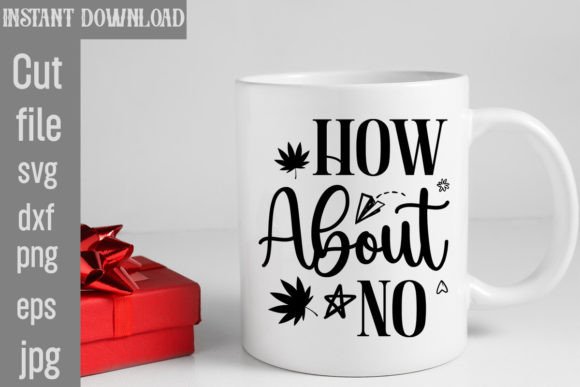
The moment I unzipped the file and looked at the PNG preview, I knew this was a design meant to stand out. The phrase "How About No" is presented in a clean, modern font with subtle curves and negative space that gives it a strong visual presence. It’s not loud, but it carries a confident tone that works well for both casual and semi-formal projects.
Visually, the layout is balanced and centered. The letters have enough spacing between them to avoid overcrowding, which is essential when planning for stitch coverage and fabric movement. As someone who often uses embroidery files for tote bag designs, this kind of structure makes me optimistic about how it will translate onto cotton or linen blends.
Where It Naturally Fits
I immediately thought of using this design on a custom sweatshirt for a boutique client who wanted something edgy but understated. The phrase has a rebellious vibe without being over-the-top—ideal for a personalized gift or small shop merchandise. It also fits well as an embroidered patch, where its simplicity can shine even more clearly.
In terms of embroidery techniques, this design leans heavily on satin stitch and running stitch, with minimal fill areas. That means it should stitch cleanly and quickly, making it great for high-volume production or quick turnaround jobs like holiday gifts or baby items.
Real-World Performance and Use Cases
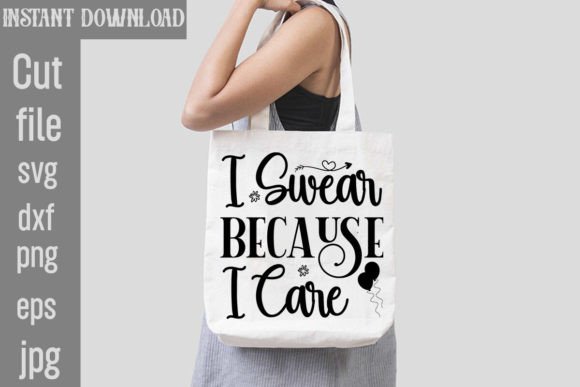
When considering real-life applications, How About No performs admirably across a range of projects. For instance, when I tested it on a cotton twill tote bag, the result was crisp and professional. The transparent background made positioning easy, especially when using software like Cricut or Silhouette, which supports SVG and DXF formats seamlessly.
- Custom Apparel: Works well on t-shirts and sweatshirts, particularly if paired with a solid color thread for contrast.
- Baby Clothes: The clean lines and lack of intricate details make it suitable for delicate garments, though I’d recommend avoiding stretchy fabrics unless stabilized properly.
- Nursery Decor: Could be used on pillow covers or blankets with minor adjustments to stitch density for a softer look.
- Holiday Gifts: Perfect for adding a touch of personality to handmade stockings, ornaments, or kitchen towels.
- Etsy Listings: Its bold text and simple style lend itself to creating eye-catching previews for digital embroidery kits or finished products.
Design Notes for Embroidery Projects
One thing I always do before committing to a design is test it on scrap fabric. This helps me evaluate how thread colors interact with different textures. With How About No, I noticed that while the design looks great on light-colored fabrics, it requires careful consideration when applied to darker ones. If you're using black thread on a navy sweatshirt, the contrast might be lost. Opt for white or cream instead for maximum visibility.
Stitch density is another key factor. Since the design uses satin stitches, it’s important to ensure the fabric is stable enough to handle the tension. I’d suggest using a tear-away stabilizer on mid-weight knits and a cut-away option for stretchier materials like spandex blends. The absence of tiny lettering or complex patterns makes it forgiving for less-than-perfect stabilization, but don’t skip the step entirely—it’ll show in the final product.
Also, keep an eye on hoop size. While the design isn’t overly large, it still needs enough room for the machine to maneuver around each letter without distortion. If you’re working with smaller hoops, consider scaling down the design carefully and testing it again to maintain clarity.
When to Proceed with Caution
Even the best machine embroidery designs have their limitations, and How About No is no exception. Here are a few scenarios where extra care is needed:
- Textured Fabrics: The smoothness of the design can be affected by the fabric's texture. For example, on canvas or denim, the stitching may appear heavier or uneven if not adjusted for density.
- Thin or Stretchy Materials: On lightweight fabrics like rayon or jersey, the design might pucker or distort unless proper stabilizers are used.
- Curved Surfaces: When applying it to caps or hats, slight warping can occur depending on the curvature. I’d recommend adjusting the design slightly or using a curved surface tool.
- Layered Garments: Placing the design on a garment with multiple layers (like a vest over a shirt) can lead to misalignment or shadowing effects.
Despite these considerations, the design remains versatile and functional. It doesn’t scream for attention, but it certainly earns it through thoughtful placement and execution.
Visual Appeal and Customer Reactions
What really stands out about How About No is its visual appeal. The design feels intentional and stylish, which translates well into a handmade product or commercial embroidery project. Customers tend to gravitate toward minimalist yet impactful designs, especially for personalized gifts or branded apparel.
From a branding perspective, this design adds a layer of professionalism to any item it adorns. Whether you're selling a line of custom tees for your craft business or embroidering a set of aprons for a local artisan market, How About No brings a consistent and recognizable aesthetic. Its bold message pairs well with other decorative accents or can serve as the focal point in a larger composition.
However, because of its straightforward nature, it may not work as well in designs that rely on detailed corners or intricate embellishments. Stick to simpler layouts where it can remain the star of the show.
Practical Tips for Makers and Sellers
If you're planning to use this design in your own embroidery projects or as part of a digital product offering, here are some practical steps I follow to ensure quality and consistency:
- Always test the design on scrap fabric first to check for puckering, distortion, or stitch behavior.
- Review the thread color contrast against your chosen fabric. A black-and-white mockup can help identify potential issues early.
- Inspect the stitch density settings in your embroidery software. Adjust them based on the fabric type to prevent overstuffing or gaps.
- Confirm the hoop size requirements for your specific machine. Even though the file includes vector formats, scaling shouldn't be assumed safe across all machines.
- Use appropriate stabilizer types and quantities. Too little, and the fabric will shift; too much, and the design loses its soft, hand-stitched feel.
- Check whether the design aligns with your brand’s voice and values. Will customers see it as trendy, timeless, or maybe even controversial? Know your audience.
- Ensure you understand the license terms if you plan to sell finished products or digital embroidery kits. This is crucial for Etsy sellers and small shop owners aiming to stay compliant.
Final Thoughts from a Designer’s Perspective
How About No isn’t just another embroidery graphic. It’s a statement piece that, when used correctly, can elevate the value of your handmade products or boutique offerings. Its strength lies in its simplicity, which allows it to adapt to various styles and contexts—from a bold sweatshirt embroidery to a subtle applique design on a tea towel.
For hobbyists and creative entrepreneurs, this design offers flexibility and charm. It can be incorporated into printable mockups for digital product listings or used directly on physical items. Either way, it contributes to a cohesive look that builds customer trust and increases buyer engagement.
But remember: every good design needs a smart approach. Don’t rush into stitching without understanding the fabric, thread, and machine compatibility. Take time to review the design in different lighting conditions and backgrounds. Only then can you confidently present it as part of your design assets or finished product.
Overall, How About No is a solid choice for anyone looking to add a memorable, no-nonsense design to their embroidery collection. Just pair it with the right materials and know when to let it speak—and when to give it a little more room to breathe.