Retro Another Fine Day Ruined by Adulthood Embroidery Design Review
Embroidery is more than just stitching pretty patterns—it’s about storytelling, personality, and practicality. As a designer who has spent years evaluating machine embroidery files for real-world use, I’m always on the lookout for designs that not only look great in theory but also translate well into finished products. The Retro Another Fine Day Ruined by Adulthood design caught my eye as a potential asset for a variety of craft projects. Let me walk you through my hands-on evaluation from the perspective of someone who actually uses these files in client work and small shop merchandise.
First Impressions: Mood and Visual Personality
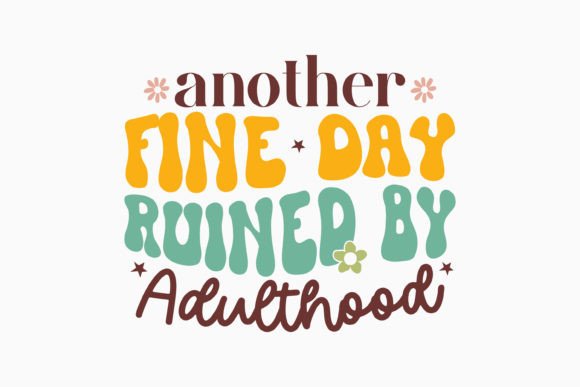
The phrase “Another Fine Day Ruined by Adulthood” is instantly relatable, especially for anyone with a sense of humor about life's daily challenges. This design takes it one step further by wrapping it in a retro aesthetic—think vintage fonts, muted tones, and a nostalgic vibe. It feels like something you’d see on an old-school t-shirt or coffee mug at a flea market, which makes it perfect for those wanting to evoke a sense of whimsy and charm in their handmade products.
Visually, the layout is clean and bold enough to stand out without being overwhelming. The typography suggests it could be used as a standalone applique or integrated into a larger composition. The shape is rectangular but not too rigid, allowing some creative flexibility when positioning it on different items like tote bags or sweatshirts.
Real-Life Application: Custom Apparel and Tote Bags
Let’s imagine a scenario where I’m preparing custom embroidered tote bags for a boutique client. These totes are meant to carry reusable shopping items and should reflect a laid-back, artisanal feel. The Retro Another Fine Day Ruined by Adulthood design fits right in here. Its character and simplicity allow it to be stitched clearly on medium-weight cotton canvas, which is common for tote bags.
What stands out is how easy it is to adjust colors using the provided SVG file. Even if the client wants a specific palette, the 100 color changeable option gives them freedom to match their brand or seasonal themes. However, since the design doesn’t include exact stitch counts or machine compatibility details, I would recommend running a test piece first to ensure smooth digitization across different machines and thread tensions.
Stitching Clarity and Fabric Considerations
This design performs best on stable, non-stretch fabrics. If you're planning to use it for sweatshirt embroidery, consider the fabric texture—thicker knits may require extra stabilizer to prevent puckering around the lettering. For handmade product lines such as aprons or pillow covers, the visual appeal remains intact, but dense stitch areas might cause stiffness, especially if you're using heavy satin stitches.
Thread color contrast is another factor to consider. While the default color options work well on lighter backgrounds, the same won’t hold true on darker materials. A black-and-white mockup before finalizing your color choices can help avoid issues with visibility and legibility. Also, the detail level isn’t overly intricate, so it should handle most standard embroidery machines reasonably well, though always double-check hoop size requirements.
Where to Use It Carefully
- Small Hoop Sizes: The design is likely too large for smaller hoops, making it unsuitable for tiny patches or keychains unless you’re willing to scale it down significantly, risking loss of clarity.
- Textured or Stretchy Fabrics: On items like stretchy gym shirts or burlap sacks, the design may lose its crispness or distort during stitching.
- Curved Surfaces: Placing this design on a cap or curved hat could lead to uneven tension and misalignment unless properly adjusted for the surface contour.
- Products That Require Frequent Washing: If you're planning to embroider baby clothes or kitchen towels, make sure the design uses durable stitches and is suitable for repeated laundering without fraying or loosening.
Commercial Use and Brand Consistency
If you're an Etsy seller or run a craft business, the Retro Another Fine Day Ruined by Adulthood design can add a unique touch to your offerings. It's versatile enough for both casual wear and decorative items, which means you can easily build a themed collection around it. The source files (EPS and SVG) included at 300dpi are a big plus for creating high-quality previews and printable mockups, helping buyers visualize the final product accurately.
However, before listing this design in your commercial embroidery project lineup, confirm licensing terms. Since they aren't specified in the product description, reach out to the seller to clarify whether you can sell finished goods or digital embroidery files. Nothing undermines customer trust faster than using unlicensed assets in production.
Design Assets for Creative Entrepreneurs
As a digital product seller, I appreciate the inclusion of vector files. They allow for scaling without quality loss, which is essential for maintaining the design’s integrity across different product types. Whether you're selling embroidery files for personal use or integrating them into your own branding kits, having access to editable sources ensures adaptability and professionalism.
That said, always test the design in both color and grayscale. Some customers may prefer monochrome versions for minimalist aesthetics or accessibility reasons. You don’t want to be surprised when a buyer requests a version you didn’t anticipate.
Customer Engagement and Giftability
Sarcasm and nostalgia are powerful tools for engagement. The Retro Another Fine Day Ruined by Adulthood design taps into both, making it a strong contender for personalized gifts. Think holiday gifts for friends who’ve been there, done that—or even wedding gifts with a cheeky twist. The design adds a layer of personality that customers notice and connect with, which increases the perceived value of the item.
For nursery decor or holiday embroidery, this design might not fit every theme, but it could be reworked with softer hues or paired with complementary motifs to blend better. The key is to maintain the original mood while adapting to the intended audience.
Designer Notes for Optimal Results
- Test on Scrap Fabric First: Before committing to a full batch, stitch a sample to evaluate tension, density, and overall appearance.
- Check Thread Color Contrast: Especially important for dark garments or light-colored threads. Ensure the text is readable and the message comes through clearly.
- Review Stitch Density: Look for tight corners and consistent fill stitches. Adjustments may be needed depending on the fabric type and desired finish.
- Confirm Hoop Size Requirements: This design may need a larger hoop than what you typically use. Don’t assume—verify.
- Inspect Small Details: Though not overly complex, subtle elements like serifs or line weights should remain intact after scaling and stitching.
- Use Proper Stabilizer: Especially for thin or stretchy materials. A tear-away or cut-away stabilizer could make all the difference in preventing distortion.
- Test in Black and White Mockups: Helps identify any hidden details or color dependencies that might affect the design’s effectiveness in grayscale.
- Compare Light and Dark Backgrounds: See how the design adapts visually and make necessary adjustments for optimal impact.
- Confirm Licensing Terms: Always get clear permissions before using any design in commercial settings.
Final Thoughts: A Thoughtful Addition to Your Craft Kit
In summary, the Retro Another Fine Day Ruined by Adulthood design is a solid choice for many embroidery projects, particularly those aimed at adult audiences looking for humor and style. Its retro flair makes it ideal for custom apparel, tote bag design, and even personalized gift ideas. But like any good design, it needs thoughtful application based on the material and context.
Whether you're a seasoned embroidery designer or a hobbyist looking to expand your Graphics library, this file offers a lot of creative potential. Just remember to take time to test, adapt, and tailor it to your specific Crafts and products. Done right, it can elevate your finished product and strengthen your brand’s voice in the marketplace.