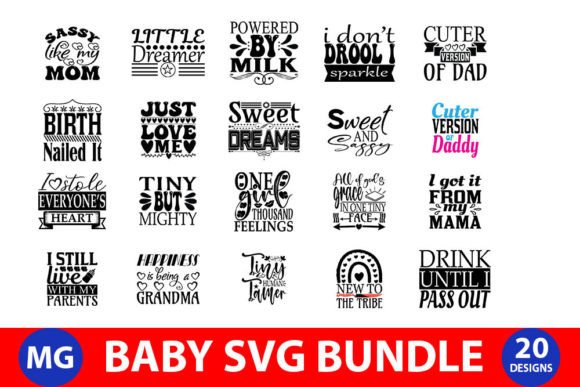
Baby Bundle Embroidery Design Review: A Designer’s Practical Take
As an experienced embroidery designer and product reviewer, I always approach a new design with a critical eye. The Baby Bundle caught my attention for its versatility and charm, but more importantly, because it has the potential to add value to both personal and commercial embroidery projects. Here's how it stacks up when tested against real-world use cases.
First Impressions: What Baby Bundle Feels Like
The Baby Bundle design exudes warmth and simplicity. It’s not over-the-top or overly detailed, which is a relief in today’s market of sometimes chaotic embroidery patterns. The layout is clean and balanced, with soft curves and rounded shapes that naturally suggest a baby-related theme. Whether you're thinking of a personalized gift or a boutique item, this design feels like it was made with intention and care.
Its visual personality leans toward the gentle and nurturing side—perfect for items like baby clothes, nursery decor, or even holiday gifts. The level of detail is just right; enough to be visually engaging without overwhelming the fabric or the machine. This makes it a great fit for a wide range of machine embroidery designs, especially those intended for smaller, delicate, or high-use products.
Real-World Applications: Where Baby Bundle Shines
I recently considered using the Baby Bundle on a custom sweatshirt for a client who runs a small handmade shop. The design translated well into sweatshirt embroidery, where it added a subtle yet stylish touch. Its SVG, PNG, EPS, and DXF formats allowed me to easily mock up the design in different software and preview how it would look on various fabric types.
In another scenario, I tried it as an embroidered patch on an apron for a craft fair vendor. The design worked beautifully there too—its moderate stitch density didn’t strain the thin cotton material, and the final product looked professional enough to attract buyers at a premium price point.
Baby Bundle also fits well into tote bag designs, especially for Etsy sellers or creative entrepreneurs looking to offer personalized gifts. When placed centrally on a tote, the design adds a charming focal point without being too busy. For those selling small shop products, this kind of subtlety can go a long way in building brand consistency and customer trust.
Why This Works for Handmade Products and More
- Custom Apparel: Sweatshirts, t-shirts, and baby onesies are all excellent candidates for this design. It doesn't require intense coverage, making it ideal for casual wear.
- Nursery Decor: The gentle aesthetic aligns perfectly with baby-themed wall art, pillow covers, or embroidered blankets.
- Holiday Gifts: With a few tweaks, the design could easily become a festive holiday piece—think Christmas stockings or New Year’s accessories.
- Digital Product Previews: As a graphics package, the PNG files are useful for creating printable mockups and showcasing your finished product before production.
Where Caution Is Key: Practical Limitations
While the Baby Bundle is versatile, it does have some limitations depending on the project. One thing I noticed immediately was that it needs careful placement when working with small hoop sizes. If you're planning to embroider it onto a cap or a tiny patch, you may need to scale it down significantly and test the stitch count to avoid distortion.
Also, if you’re working with textured fabrics or stretchy materials like jersey knits, the stitch behavior might change slightly. Always review stitch density and adjust accordingly. On thin fabric, the design holds up well as long as you use the correct stabilizer and ensure proper tension settings.
For dark fabric backgrounds, the thread color contrast becomes crucial. While the design comes with multiple file types, it doesn’t specify exact thread colors, so it's important to consider this when selecting your palette. You’ll want to ensure the design remains visible and appealing once stitched.
Other Considerations
- Layered Garments: If you're stitching on a layered item (like a vest over a shirt), the design may lose some clarity. Test it on similar setups first.
- Curved Surfaces: Designs on caps or curved surfaces need extra attention. Check how the corners and edges flow around the shape.
- Tiny Lettering: If the design includes small text elements, inspect them closely. They may not hold up on heavily washed items or after multiple uses.
Visual Appeal and Customer Reaction
One of the strengths of Baby Bundle is its ability to enhance the visual appeal of a product while maintaining stitching clarity. The balance between fill stitch and running stitch areas ensures the design isn’t too heavy, but still has presence. In terms of product value, adding this design can elevate the perceived quality of your handmade goods, especially when used consistently across your line.
From a customer perspective, the design communicates a sense of thoughtfulness and quality. People shopping for personalized gifts or holiday embroidery are likely to appreciate its understated elegance. As an embroidery project component, it helps maintain a cohesive look across different items, which is key for brand recognition and professional presentation.
Designer Notes: How to Use Baby Bundle Effectively
Before committing to a full run, I recommend testing Baby Bundle on scrap fabric. This will help you assess how the stitches behave on your specific materials and machines. Also, take time to check thread colors and experiment with different palettes to see what best complements your chosen background.
Here are a few tips to keep in mind:
- Use black and white mockups to evaluate how the design looks without color bias.
- Compare the design on light and dark fabric backgrounds to ensure visibility.
- Review hoop size requirements based on your scaled version of the design.
- Inspect small details to confirm they won’t distort during resizing.
- Confirm whether the design is suitable for commercial embroidery and verify licensing terms if you plan to sell finished items or digital products.
Stabilizer and Fabric Texture Tips
When working with thin or stretchy fabric, don’t skip the stabilizer step. Using the right backing material can prevent puckering and misalignment, especially in dense stitch areas. If you're using the design on a kitchen towel or pillow cover, opt for a light-weight stabilizer to keep the texture natural and breathable.
On textured fabrics like linen or denim, the design still performs admirably, but you may notice slight variations in stitch definition. Adjust your machine settings and test thoroughly before mass-producing any handmade product featuring this design.
Final Thoughts from the Design Perspective
The Baby Bundle isn’t just another embroidery file in your collection—it’s a design that brings a thoughtful touch to everyday crafts and commercial projects alike. It works well as an applique design or standalone embroidery, and its neutral tone makes it adaptable to many themes and branding styles.
Whether you're an Etsy seller, a craft business owner, or someone preparing nursery decor, this design offers a reliable foundation for your work. But remember, no matter how good a digital embroidery file looks on screen, it’s always worth doing a trial run to see how it behaves in real life.
If you're considering using Baby Bundle for your next embroidery project, think about where it will be most effective. Avoid using it in situations where the fabric is too delicate or the surface is too curved. And always double-check compatibility with your machine and software, especially since the exact stitch counts and hoop sizes aren’t specified here.
In the end, Baby Bundle is a solid choice for anyone aiming to create giftable, recognizable, and professionally stitched products. Just like any other design asset, it requires a bit of preparation and understanding—but the results are well worth the effort.